
Our beginning. God's purpose.

In the beginning,
God created.

A Scripture-first introduction to Young Earth Creationism and the creation view taught at ProverbsGuys.

Our conviction

Genesis matters
to the gospel.

ProverbsGuys affirms a recent creation, six ordinary days of creation, a historical Adam and Eve, and the worldwide Flood described in Genesis. We read Genesis 1–11 as history and connect creation, humanity's fall, and redemption in Jesus Christ.

Creation tells us who made us. The Fall explains our need for a Savior. The gospel points us to Jesus, through whom we are reconciled to God.

Romans 5:12–21; Colossians 1:15–20
What we believe

Six starting points.

These are our biblical convictions. Open each passage and explore the reasoning with your family or study group.

Links open the full passage on Bible Gateway.

01

Six days of creation

We understand the creation week as six ordinary days followed by God's rest. Genesis presents an ordered creation, and Exodus connects the pattern of human work and Sabbath rest to God's creative work.

Genesis 1:1–2:3; Exodus 20:8–11
02

Made in God's image

People are more than an accident or a statistic. We believe every person has dignity because humanity was made in God's image. That conviction shapes how we speak, teach, and serve.

Genesis 1:26–27
03

A historical Fall

We understand Adam and Eve as historical people and the Fall as a real event. Paul's comparison between Adam and Christ connects the human problem of sin with God's answer in Jesus.

Genesis 3; Romans 5:12–21
04

A worldwide Flood

We affirm Noah, the Ark, and the Flood as historical. In the young earth view, the Flood was global and greatly affected Earth's surface. Specific proposals about rock layers, fossils, and Flood mechanisms are research models that should be examined on their own evidence.

Genesis 6–9; 2 Peter 3:3–7
05

A recent creation

Young earth chronologies use biblical genealogies and other chronological passages to place creation thousands, rather than billions, of years ago. Scripture does not give a modern BC calendar date for creation: exact dates depend on the textual tradition and chronological assumptions used.

Genesis 5; Genesis 11
06

Creation points toward Christ

We study origins because we want people to know the Creator. The New Testament presents Jesus as central to both creation and reconciliation. Our invitation leads to the gospel, not simply to winning an argument.

John 1:1–3; Colossians 1:15–20
Read Genesis 1–2

Walk through
creation week.

Choose a day to follow the order of the Genesis account. ProverbsGuys understands these as ordinary days, with the seventh day set apart for rest.

Try this together: Read the passage aloud, draw what is described, and ask what it teaches about God and His creation.
Day 1 / Creation week

Light & darkness

God brings light into darkness and separates day from night. The creation account begins with God speaking and His creation responding.

Genesis 1:1–5
Day 2 / Creation week

The expanse

God separates the waters and names the expanse heaven. Genesis continues its account of an ordered creation.

Genesis 1:6–8
Day 3 / Creation week

Land, seas & plants

Dry land appears as the waters gather. The earth brings forth vegetation, seed-bearing plants, and fruit trees.

Genesis 1:9–13
Day 4 / Creation week

Lights in the heavens

God appoints lights to distinguish day and night and to mark seasons, days, and years.

Genesis 1:14–19
Day 5 / Creation week

Sea creatures & birds

The waters teem with living creatures and birds fly above the earth. God blesses them to be fruitful and multiply.

Genesis 1:20–23
Day 6 / Creation week

Land animals & humanity

God creates land animals and makes humanity in His image, male and female. People are given responsibility for the creation.

Genesis 1:24–31
Day 7 / Creation week

God rests

The work of creation is complete. God rests on the seventh day and blesses it, setting a pattern of work and rest.

Genesis 2:1–3
Understanding the calendar

What does
AM mean?

AM (Anno Mundi) means 'year of the world' and counts years from an assumed creation starting point. BC and AD use the conventional historical calendar, which has no year zero. Converting an AM chronology into BC/AD requires a chosen creation-date anchor; a stated biblical age and a calculated calendar date should be clearly distinguished.

Keep the numbers clear.

A lifespan stated in Scripture, a year in an AM chronology, and a converted BC/AD date describe different things. Write down the creation anchor and the assumptions behind a calculation.

Keep asking. Keep studying.

Questions worth exploring.

Start with Scripture, and distinguish a biblical conviction from a particular scientific model or chronological calculation.

Does the Bible give an exact BC date for creation?

No modern BC date appears in Genesis. A creation date is calculated by combining chronological passages with a chosen historical anchor and assumptions about the text.

Does 'kind' mean the same thing as a modern species?

Young earth ministries use 'created kind' as a concept derived from Genesis. It should not automatically be treated as identical to a modern taxonomic species; proposals about the boundaries of kinds require explanation and evidence.

Are all creationist scientific proposals part of our statement of faith?

Our stated convictions concern creation and the biblical narrative. Specific scientific models and proposed identifications can be revised as researchers evaluate evidence.

Where should a family begin?

Read Genesis 1–3 together. Ask what the passage says about God, people, work, rest, and sin. Then use the linked resources to explore questions and compare arguments.

Understand the wider discussion.

This page presents the ministry's young earth interpretation. Mainstream geology estimates Earth's age at about 4.54 billion years using radiometric dating and related evidence. Christians also differ over how to interpret the creation passages. We encourage readers to examine the reasoning, measurements, and assumptions carefully and to discuss disagreements respectfully.

NIST: How do we measure the age of old things?

Further creation study

External resources are supplied for further study; linking does not imply affiliation or agreement with every position.

Visual teaching resources

Creation & the geologic column.

Two supplied teaching graphics illustrate the young earth view. Open a chart, zoom in, and scroll to read it together.

Make it a study conversation. Compare the illustrations with Genesis 6–9. Identify which details come directly from Scripture and which represent a proposed geological model or an approximate chronology.
The ProverbsGuys bookshelf

Explore our creation books.

Continue your study with our books. Each title links directly to the Amazon listing you can explore.

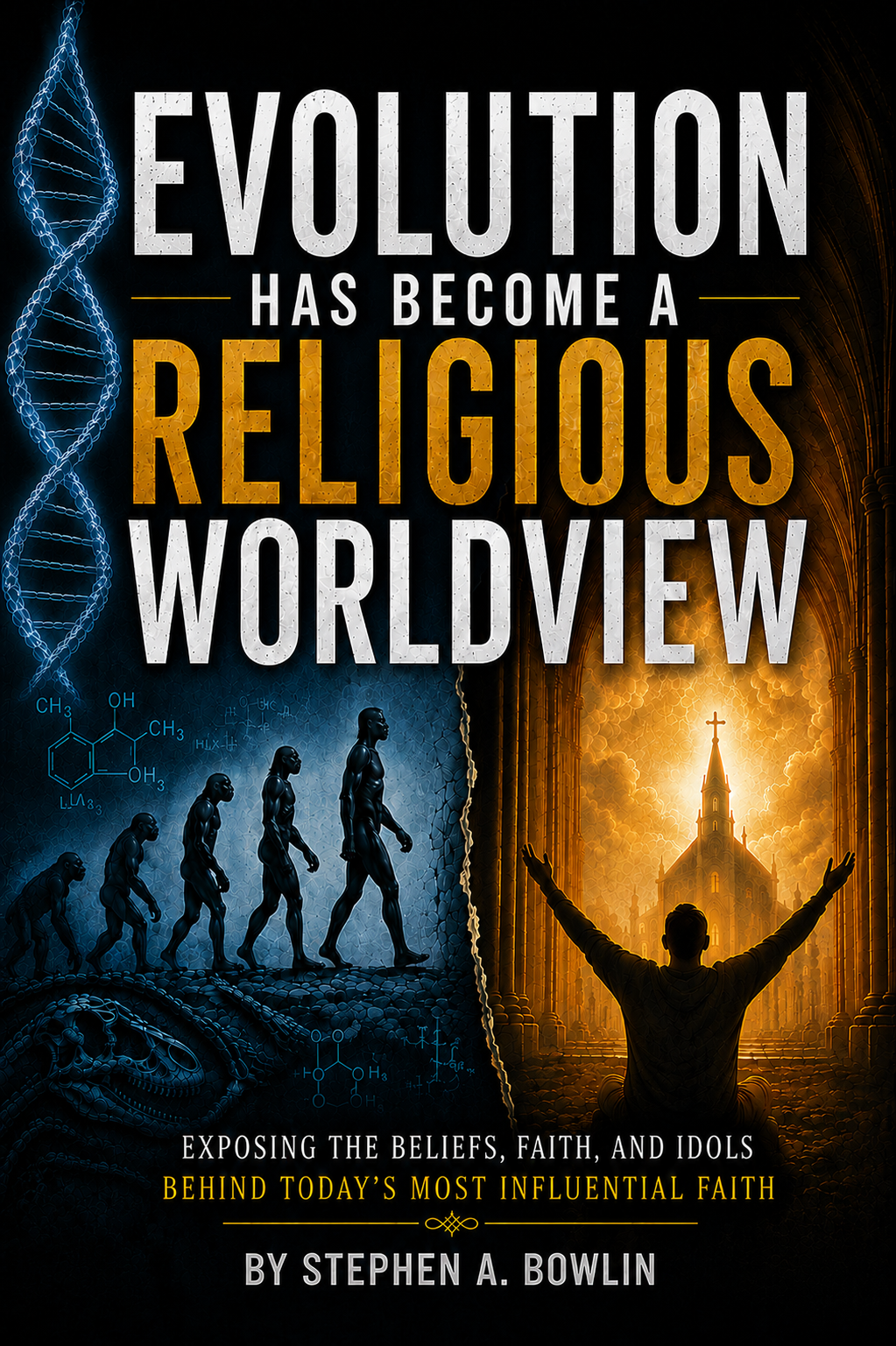
Cover of Evolution Has Become a Religious Worldview — view on Amazon
Creation & worldviews

Evolution Has Become a Religious Worldview

View the full description, available formats, and current listing on Amazon.

View book on Amazon
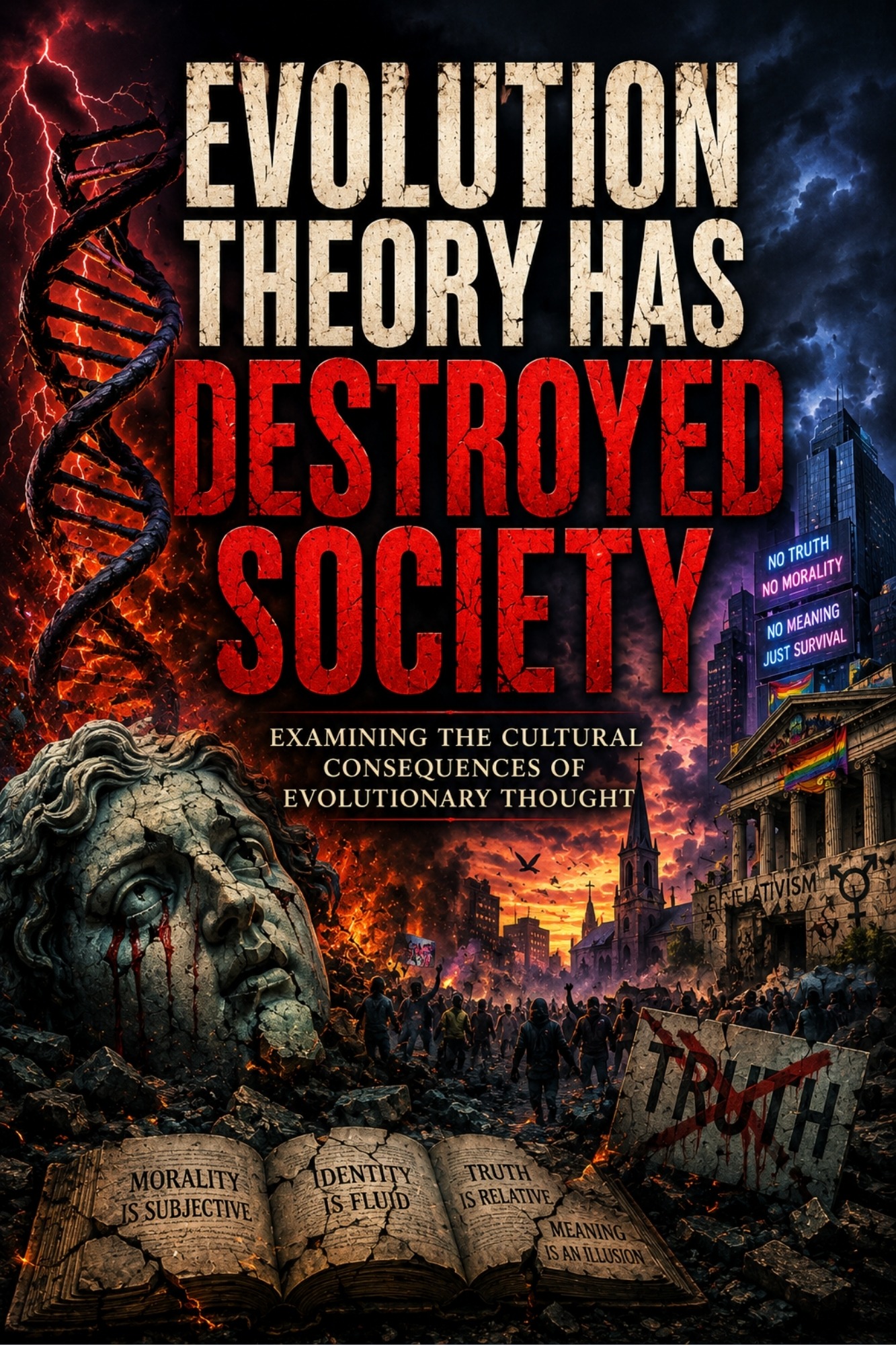
Cover of Evolution Theory Has Destroyed Society — view on Amazon
Creation & culture

Evolution Theory Has Destroyed Society

View the full description, available formats, and current listing on Amazon.

View book on Amazon
100%Open full-size file ↗