
Scripture. History. Discovery.

Biblical
Archaeology.

Explore the places, inscriptions, and ancient manuscripts that bring the world of the Bible into focus.

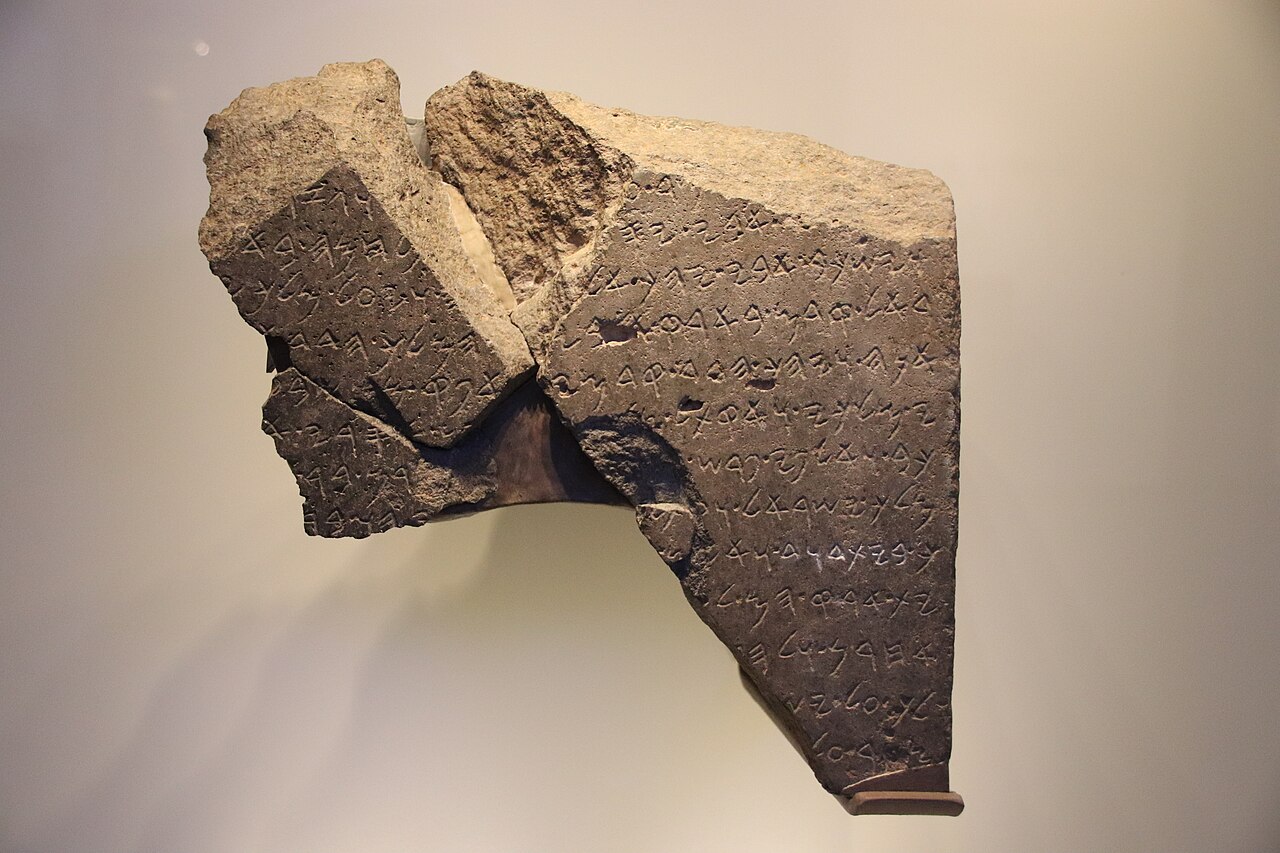
Fragments of the Tel Dan Stele displayed in a museum
The Tel Dan Stele · an ancient reference to the House of David.
The ground has a story

Put the Bible
in its setting.

At ProverbsGuys, we love asking what the ground can tell us about the people and places we read about in Scripture. Archaeology studies physical remains in their historical setting. A named inscription can illuminate a person or dynasty; a pool or tunnel can illuminate a place. Together, these finds invite careful study and meaningful conversations about the Bible.

Read the Scripture. Inspect the find. Follow the source. Historical context, a proposed identification, and a discovery claim represent different kinds of evidence. An artifact can illuminate a person or place without establishing every detail of a narrative.
Objects. Places. People.

Five windows into history.

Begin with these inscriptions, manuscripts, and places. Each entry includes a biblical connection and a source you can inspect.

Links open the full passage on Bible Gateway.

Tel Dan Stele — documentary artifact photograph.

Inscription · 9th century BC

The Tel Dan Stele

Tel Dan, northern Israel

Fragments of an Aramaic victory monument refer to the royal House of David. The Jewish Museum identifies this as the earliest known reference to David's dynasty outside the Hebrew Bible.

2 Samuel 7:12–16
Why it matters & further study

It provides an ancient reference to the Davidic royal house within the political world described in Scripture.

Ask togetherWhat can a royal name on a monument tell us? How is that different from confirming every event in a biblical narrative?

The Dead Sea Scrolls
Qumran and the Judean Desert

Manuscripts · Second Temple period

The Dead Sea Scrolls

Qumran and the Judean Desert

These ancient manuscripts include biblical writings and other Jewish texts. The Israel Museum's digital collection lets readers examine the Great Isaiah Scroll and other major scrolls online.

Isaiah 40:8
Why it matters & further study

They give us physical evidence of biblical manuscripts and ancient scribal practice, and help scholars study how texts were transmitted.

Ask togetherCompare a passage from Isaiah with the ancient manuscript images. What makes a manuscript different from a modern printed Bible?

The Pool of Siloam
Jerusalem

Ancient site · Second Temple period

The Pool of Siloam

Jerusalem

Ancient stepped-pool remains were rediscovered in 2004 during infrastructure work in Jerusalem. Archaeological work places the pool in the setting of Second Temple Jerusalem, the period of the Gospels.

John 9:1–7
Why it matters & further study

The discovery helps readers picture the city's geography and the setting of John's account of the man born blind.

Ask togetherLocate the Pool of Siloam and the Temple Mount on a map. How does knowing the setting change how you picture John 9?

Pilate Inscription — documentary artifact photograph.

Inscription · 1st century AD

The Pilate Inscription

Caesarea Maritima

A limestone inscription from Caesarea bears the name of Pontius Pilate. The Israel Museum includes this artifact among physical traces of important figures from the New Testament's historical setting.

Luke 3:1; John 18:28–19:16
Why it matters & further study

A surviving Roman inscription connects a named official in the Gospels with the administration of ancient Judea.

Ask togetherWhy are inscriptions useful to historians studying ancient officials?

Siloam Inscription — documentary artifact photograph.

Water engineering · Late 8th century BC

Hezekiah's Tunnel & the Siloam Inscription

Jerusalem / Istanbul Archaeological Museums

The Siloam Inscription describes two groups of stonecutters meeting as they excavated a water tunnel. Discovered near the tunnel's southern exit in 1880, the inscription is now in Istanbul.

2 Kings 20:20; 2 Chronicles 32:30
Why it matters & further study

It preserves an account of remarkable ancient engineering and illuminates Jerusalem's water system in the period associated with King Hezekiah. The inscription itself does not name the king.

Ask togetherImagine digging a tunnel from opposite ends without modern tools. What questions would you ask the workers?
Photo credits & reuse licenses
  • Tel Dan Stele — Gary Todd. Original photograph · CC0 1.0. Displayed to fit the page using CSS. Open the photograph to see the full frame.
  • Pilate Inscription — Gary Todd. Original photograph · CC0 1.0. Displayed to fit the page using CSS. Open the photograph to see the full frame.
  • Siloam Inscription — oncenawhile. Original photograph · CC0 1.0. Displayed to fit the page using CSS. Open the photograph to see the full frame.
For families & homeschoolers

Try a family investigation.

You do not need a museum ticket to start. Choose one of the finds above and make a short evidence notebook together.

Acts 17:11
  1. Choose one find and read its Scripture passage.
  2. Record what was found, where it came from, and how it is dated.
  3. Separate what the object says from the conclusions people draw.
  4. Discuss how it adds context to the biblical account.
Your final questionWhat do we know, what do we infer, and what would we like to investigate next?
100%Open full-size file ↗